

How to Choose Between Bean-To-Cup and Pod Coffee Machines
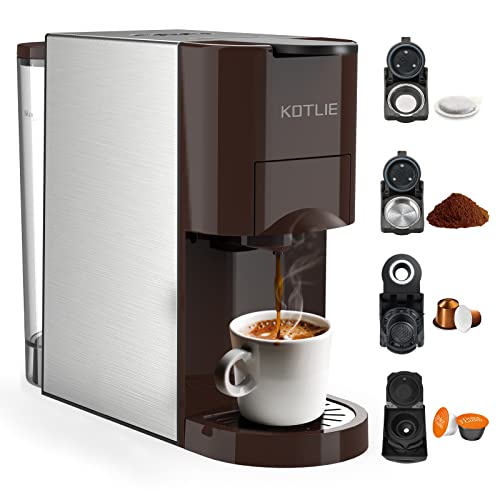
Pod coffee machines utilize ground coffee that's already ground and sealed in a single-serving pod or capsule. It's easy to use - simply fill the tank with water and then insert the capsule.
It's a little less fresh tasting than ground or filter coffee, but it's still a good choice for most people. They also save on cleaning and maintenance.
Cost
If you're thinking of purchasing an espresso machine for your at-home use, you must be aware of the differences in the initial and ongoing costs between pod machines and bean-to-cup machines. Bean pods are generally more expensive than whole coffee beans. best capsule coffee machine produce more waste than any other method of making coffee. This could result in environmental concerns. To choose the best coffee maker, weigh up the advantages and disadvantages. The best choice is based on your personal preferences for quality and convenience.
Pod machines are typically less expensive to purchase than bean-to cup machines, but they do have higher operating costs. The cost of purchasing and replacing coffee pods can add up quickly. Additionally the pod coffee maker may require more regular maintenance, including rinsing the grinder and brewing mechanisms. A bean-to cup machine, however requires less frequent maintenance and cleaning.
The impact on the environment of pod machines is a subject of debate. Many people have expressed concern that they are not as environmentally friendly than other coffee-making machines. Many people have claimed that the plastic used to make coffee pods is not recyclable. However, researchers have found that pods themselves aren't as squanderful as was previously thought.
Certain coffee pods are made of compostable materials that can be used to enrich the soil or decompose naturally to make room for other things. Others are made of recycled plastics that can be disposed of at landfill sites or food waste bins. Alternatively, some companies are producing 100% organic coffee pods that can be composted.
Some coffee pods could be made from aluminium or glass however, the majority are made of plastic. Most recycling facilities don't accept these since they are difficult to recycle. Plastic coffee pods are the primary source of waste for these machines. However, even aluminium and glass end in the oceans or landfills. The number of plastics that can be recycled has grown and new recycling strategies are being developed to allow the reuse of these materials.
Freshness
There are a lot of options when it comes to brewing coffee, but a pod coffee machine is a great choice for those who want fast and simple coffee that doesn't leave a mess. These machines can make delicious cups of coffee in only two minutes, and they come in a broad variety of flavors. They are also more efficient than traditional filter coffee makers that require grinding beans and boiling water.
The convenience of a coffee pod is not the only reason people use these devices however. In addition to their convenience, they are also environmentally sustainable. According to a research conducted by Ocean Conservancy, brewing one cup of coffee using pod makers produces less greenhouse gas than brewing it with a filter. Nevertheless, many consumers are still concerned about the environmental impact of the single-use pods of coffee.
The majority of pods are plastic and, although they are recyclable, only a small portion is. Other environmental impacts can be high like the pollution of landfills and waterways. Because of this, several cities have banned coffee pods. Fortunately, companies like Keurig and Nespresso offer free recycling bags and pre-paid UPS labels to return used capsules. Furthermore the company's aluminum pods can be reused, but they will need to be thoroughly cleaned of coffee residue before recycling facilities are able to use them.
Furthermore, some brands of coffee pods include a "best by" date on their products. This mark indicates when the coffee pods are no longer in the best condition to be brewed, but that they can still be consumed even after this date. These dates are usually written on the coffee pods' packaging or box.
Coffee pods can have a broad variety of environmental effects, but most contain coffee that is grown and processed in a sustainable manner. A pod coffee maker reduces energy and waste, and each pod yields one cup. Nonetheless, there are several disadvantages of pod coffee makers that include the requirement for maintenance on a regular basis and higher costs than traditional filter machines.
Convenience
If you are a coffee lover but do not have the time to make it, a pod maker could be the solution. These machines take away the hassle of grinding beans, measuring water, tamping and pressing buttons. They also offer a selection of drinks, including hot tea and chocolate. These conveniences come with an expense: they could adversely impact the environment. Many consumers are concerned about the disposable nature of these products. There are ways to reduce the environmental impact of coffee pods and cups. GreenPods, for example is a brand new product made from compostable material and decomposes within two months. It's a much better option than conventional pods or capsules, which may take up to 500-years to decompose.
Apart from the environmental impact A coffee pod maker can be more expensive than other brewing methods. It could also not provide the same quality and taste as a bean-to-cup machine. If you plan to make use of a variety of pods, then you'll have to buy a machine for each.
There are a variety of pod coffee machines, starting with the basic models, and ending with more expensive espresso and Latte machines. When selecting a model be sure to consider your budget as well as the counter space available. Some models are slimmer and less expensive than others, and certain models come with additional features like a milk frother or programmable settings. It is also important to determine the frequency you'll make use of the machine, and what features are most important to you.
The top coffee maker will make your coffee-brewing experience at home more enjoyable. There are many models to choose from. But choosing the best one isn't easy. The top coffee makers can provide the quality you're looking for and fit perfectly with your kitchen. Alongside brewing an excellent brew you'll want a coffee machine that's easy to use and tidy.
Whether you're a coffee drinker or not, a bean-to cup machine can change your morning routine. These machines grind and make coffee in the right proportions to create a rich, fragrant drink. They can also help you save money in the long run by reducing your dependence on preground coffee and pods.
Environmental impact
A pod coffee maker makes use of capsules that come pre-packaged and ready to to make an espresso. It has become an increasingly popular option for those who wish to save time grinding beans and measuring their own coffee grounds. However, there are concerns regarding the environmental impact of this type of machine. A recent study by environmental engineers has revealed that coffee machines produce a lot of waste that includes metal and plastic, which are not biodegradable. Some people are also concerned that the machines use excessive energy.
The study, which was published earlier this month examined the emissions generated by filtered, French press, instant and single-use coffee pods. It concluded that If people didn't fill their pods and used water and electricity sparingly, they could be better for the environment than drip brewing.
It's crucial to think about the bigger picture, however, when analyzing these results Boykoff says. Boykoff. He says that media coverage that focus on this type of issue can sidetrack us from looking at the major sources of climate-related emissions - and those are larger than your morning coffee.
Many of these pods with a single use are not recyclable. While companies like Keurig and Nespresso claim that their pods are recyclable, the truth is that they must be broken down into component parts before they can be recycled. This means that many of the coffee pods end up in landfills where they contribute to pollution.
A new pod that is reusable, called PodMkr is made from a flexible material that permits easy and complete recycling. It is available for a variety of models and brands of coffee machines, and can be purchased on the company's website. The company hopes to inspire consumers to choose a more environmentally friendly solution from single-use pods.
Although it is possible to recycle used coffee pods, it is a challenge to find a suitable place for them in your local recycling program. A better alternative is a machine that grinds beans to cups that grinds the beans on-demand and eliminates the need for pods that are only used once. It is also more cost-effective in the long run as it reduces waste and costs less to operate.